
zostaw wiadomość
Jeśli jesteś zainteresowany naszymi produktami i chcesz poznać więcej szczegółów, zostaw wiadomość tutaj, odpowiemy tak szybko, jak to możliwe.




Najlepszy zakup, jaki zrobiłam tej zimy! Kolor i dzianina są przepiękne, a do tego bardzo wygodne! Przejechałam z Nowego Jorku do Miami, nie zdejmując ich ani razu. Super urocze!!
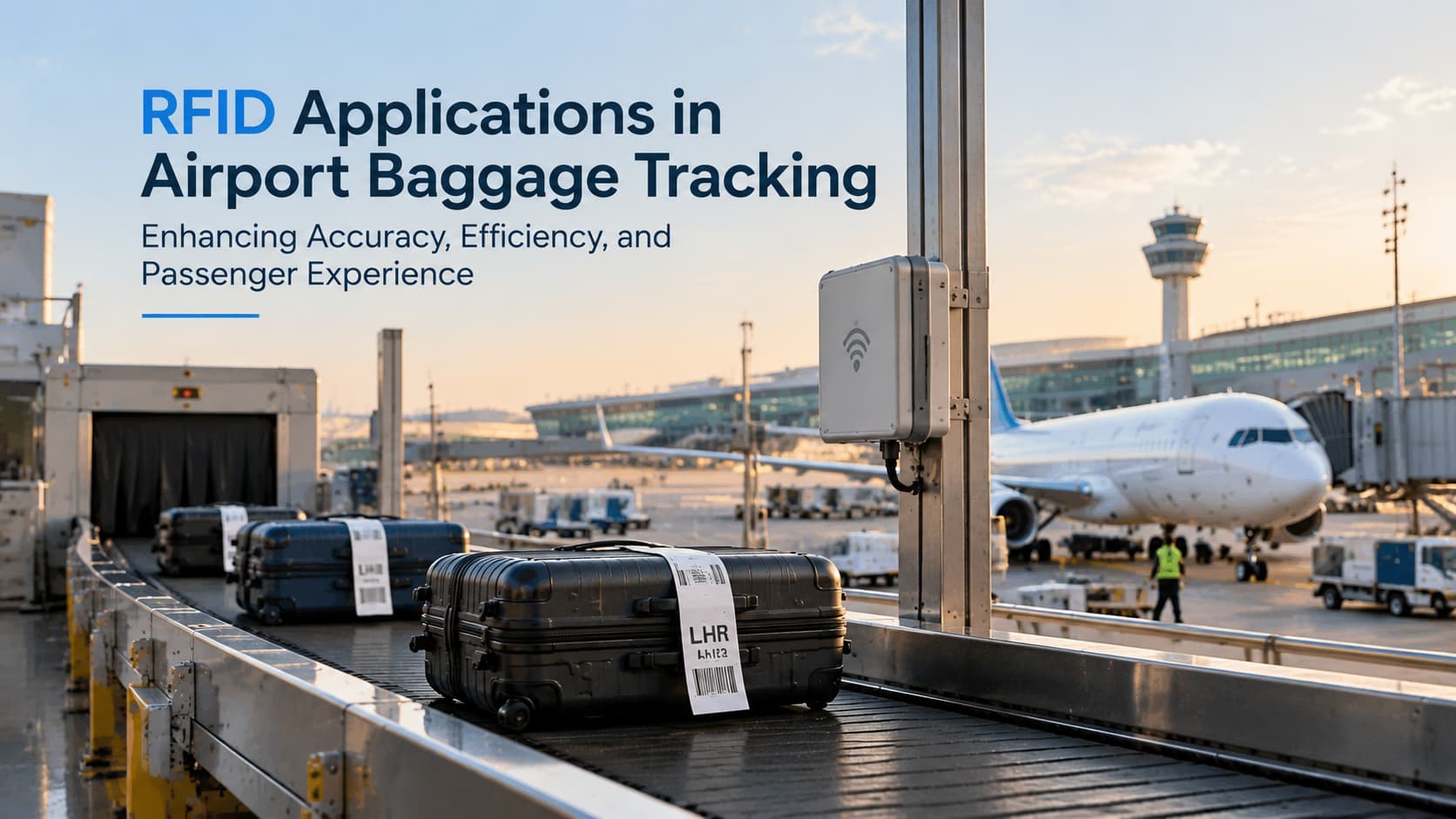
RFID Applications in Airport Baggage Tracking: Enhancing Accuracy, Efficiency, and Passenger Experience
With the continuous growth of global air transportation, airports are handling an increasing number of passengers and baggage every year. Efficient baggage management has become a critical factor affecting airport operations, airline service quality, and passenger satisfaction. From check-in and security inspection to sorting, aircraft loading, transfer, and final delivery, every piece of baggage must pass through multiple complex processes before reaching its destination. However, traditional barcode-based baggage tracking systems still face several challenges, including scanning failures, limited visibility, manual errors, and difficulties in real-time monitoring.
Radio Frequency Identification (RFID) technology has emerged as an advanced solution for airport baggage tracking. By using radio waves to identify and monitor luggage automatically, RFID enables airports and airlines to achieve faster processing, higher accuracy, and better operational visibility. Unlike conventional barcode systems that require direct scanning, RFID allows multiple baggage items to be identified simultaneously without physical alignment, making it particularly suitable for large-scale airport environments.
Today, RFID applications in airport baggage tracking are becoming an important part of smart airport development. Through integration with baggage handling systems, airline databases, and digital operation platforms, RFID technology is helping airports improve baggage security, reduce mishandling rates, and provide passengers with a more reliable travel experience.
An RFID-based airport baggage tracking system mainly consists of RFID tags, RFID readers, and data management platforms. When passengers check in their luggage, an RFID-enabled baggage tag is attached to each bag. The RFID tag contains a unique identification number that is connected with important travel information, such as passenger details, flight number, destination, and baggage tracking data.
During baggage transportation, RFID readers installed at different locations throughout the airport automatically capture information from these tags. These reading points may include check-in counters, conveyor belts, security inspection areas, baggage sorting facilities, aircraft loading zones, and baggage claim areas. As luggage passes through these checkpoints, the system records its location and status in real time.
Compared with traditional barcode technology, RFID does not require a direct line of sight between the scanner and the label. Even when baggage tags are folded, covered, or positioned differently, RFID readers can still identify them effectively. This capability greatly improves the efficiency and reliability of airport baggage operations.
Baggage sorting is one of the most important stages in airport operations. Large international airports often process thousands of pieces of luggage every hour, and accurate sorting is essential to ensure that baggage reaches the correct aircraft on time.
RFID technology improves baggage sorting by automatically identifying each bag as it moves through conveyor systems. When luggage enters a sorting area, RFID readers capture the tag information and send the data to the airport baggage handling system. The system then determines the correct route according to the flight destination and automatically directs the baggage to the appropriate loading area.
This automated process reduces dependence on manual scanning and minimizes errors caused by human operation. Airports can achieve faster sorting speeds while improving baggage tracking accuracy. In addition, RFID data provides airport staff with real-time visibility into baggage movement, allowing them to quickly identify and solve potential problems.
Lost and delayed baggage has always been a major concern for passengers and airlines. Baggage may be mishandled due to incorrect sorting, missed transfers, inaccurate scanning, or communication problems between different airport departments.
RFID technology helps reduce these issues by creating a complete digital record of every bag’s journey. From the moment luggage is checked in until it reaches the final destination, RFID systems continuously track its movement through different airport processes.
For example, if a passenger’s baggage is accidentally sent toward the wrong flight, the RFID system can detect the abnormal movement and notify airport staff before departure. Employees can then quickly redirect the luggage to the correct route. This proactive management approach significantly reduces baggage loss and improves airline operational reliability.
Transfer baggage is one of the most challenging areas of airport operations because connecting flights often require luggage to be moved quickly between different aircraft. A delay at one stage of the transfer process may result in passengers arriving at their destination while their baggage remains behind.
RFID technology provides better control over transfer baggage by allowing airport operators to monitor baggage status in real time. When a transfer bag arrives at an airport, RFID readers automatically confirm its location and ensure that it reaches the correct connecting flight.
Through real-time tracking information, airport staff can identify delayed transfer baggage and take immediate action. This improves transfer efficiency and reduces passenger complaints caused by missing luggage.
Modern passengers expect more transparency and convenience during air travel. RFID technology supports this demand by providing more accurate baggage information and improving communication between airlines and travelers.
In the future, RFID-based baggage tracking systems can be connected with mobile applications, allowing passengers to check their baggage status directly through smartphones. Travelers may receive notifications when their luggage is checked in, loaded onto an aircraft, or delivered to the baggage claim area.
By providing greater visibility throughout the baggage journey, RFID helps build passenger confidence and creates a more seamless airport experience.
The application of RFID in airport baggage tracking provides multiple advantages. First, RFID improves baggage identification accuracy by reducing scanning errors and increasing automation. Since RFID readers can identify multiple bags simultaneously, airports can process luggage more efficiently during peak travel periods.
Second, RFID enhances operational efficiency by providing real-time baggage information. Airport managers can monitor baggage flows, optimize handling processes, and respond quickly to unexpected situations.
Third, RFID reduces operational costs by decreasing manual inspection requirements and improving resource allocation. Employees can focus on more complex tasks instead of performing repetitive scanning operations.
Most importantly, RFID improves passenger satisfaction by reducing lost baggage incidents and increasing transparency. Reliable baggage management has become an important factor influencing airline reputation and customer loyalty.
As airports continue moving toward digital transformation, RFID technology is expected to work together with other advanced technologies, including artificial intelligence (AI), Internet of Things (IoT), cloud computing, and automation systems.
Artificial intelligence can analyze RFID-generated baggage data to predict potential delays and optimize baggage handling routes. IoT devices can provide additional environmental and operational information, while cloud platforms can support large-scale data management across multiple airports.
In future smart airports, RFID may become a core component of fully automated baggage systems. Combined with autonomous robots and intelligent transportation equipment, RFID can support more efficient and flexible baggage movement from check-in counters to aircraft loading areas.
Although RFID offers significant benefits, airports must also consider several implementation challenges. The first challenge is the initial investment required for RFID infrastructure, including readers, software systems, and integration with existing baggage handling equipment.
Another challenge is system compatibility. International airports involve multiple airlines, ground handling companies, and technology platforms, requiring standardized solutions to ensure smooth data exchange.
In addition, airports need to maintain RFID equipment and regularly optimize system performance to ensure long-term reliability. Effective staff training and technical support are also essential for successful RFID deployment.
RFID technology is transforming airport baggage tracking by providing faster identification, improved accuracy, and real-time visibility throughout the baggage handling process. From check-in and sorting to aircraft loading, transfer management, and baggage delivery, RFID enables airports to create a more efficient and reliable baggage management system.
As global aviation continues to expand, smart airport solutions based on RFID, AI, and IoT will become increasingly important. By adopting RFID baggage tracking technology, airports and airlines can reduce operational challenges, improve passenger satisfaction, and move toward a more intelligent and connected future in aviation.

Szczegółowe informacje i plik PDF

Kontakt mailowy z pomocą techniczną.

Profesjonalne doradztwo techniczne.

Kontakt mailowy z pomocą techniczną.



POŁĄCZYĆ

Youtube

zostaw wiadomość
Skanuj do Wechat/WhatsApp :



 IPv6 OBSŁUGIWANA SIEĆ