
zostaw wiadomość
Jeśli jesteś zainteresowany naszymi produktami i chcesz poznać więcej szczegółów, zostaw wiadomość tutaj, odpowiemy tak szybko, jak to możliwe.




Najlepszy zakup, jaki zrobiłam tej zimy! Kolor i dzianina są przepiękne, a do tego bardzo wygodne! Przejechałam z Nowego Jorku do Miami, nie zdejmując ich ani razu. Super urocze!!
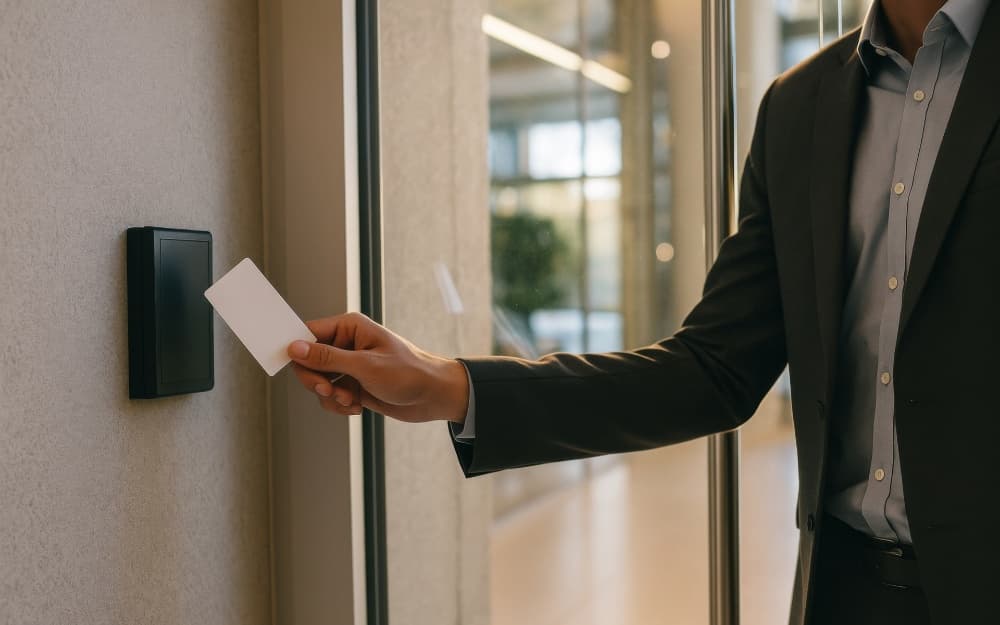
W tradycyjnych systemach zarządzania budynkami biurowymi dostęp personelu zazwyczaj opiera się na przesunięciu karty, rejestracji lub weryfikacji ręcznej. Chociaż model ten był skuteczny na wcześniejszych etapach cyfryzacji, jego ograniczenia stają się coraz bardziej widoczne wraz z rozwojem organizacji i wzrostem mobilności personelu. Korki w godzinach szczytu, ryzyko związane z utratą kart, opóźnione aktualizacje uprawnień oraz brak możliwości szybkiej reakcji na nietypowe zachowania – to wszystko uwydatnia nieefektywność konwencjonalnych systemów. W tym kontekście systemy automatycznej identyfikacji oparte na technologii RFID (Radio Frequency Identification) stopniowo zastępują tradycyjne metody dostępu oparte na przesunięciu karty, stając się kluczowym elementem inteligentnej modernizacji nowoczesnych budynków biurowych.
Główną zaletą technologii RFID są jej możliwości „bezkontaktowej” i „automatycznej identyfikacji”. W przeciwieństwie do tradycyjnych kart chipowych, które wymagają od użytkowników zbliżenia i przesunięcia karty do czytnika, technologia RFID umożliwia identyfikację za pomocą sygnałów radiowych w określonym zakresie. Oznacza to, że pracownicy muszą mieć przy sobie jedynie identyfikatory lub identyfikatory z włączoną technologią RFID, a ich identyfikacja może odbywać się automatycznie podczas przechodzenia przez bramki lub punkty wejścia. W godzinach szczytu rozwiązanie to znacznie redukuje kolejki i usprawnia przepływ ruchu, co czyni je szczególnie przydatnym w dużych budynkach biurowych, kampusach korporacyjnych i przestrzeniach biurowych dla wielu najemców.
Z technicznego punktu widzenia, system kontroli dostępu oparty na technologii RFID zazwyczaj składa się z tagów, czytników, anten i platformy zarządzania. Identyfikatory pracowników są osadzone w tagach RFID o wysokiej częstotliwości (HF) lub ultrawysokiej częstotliwości (UHF), a punkty dostępu są wyposażone w stałe czytniki i anteny kierunkowe. Gdy osoby wchodzą w strefę detekcji, system może przechwycić dane i zweryfikować tożsamość w ciągu milisekund. Jednocześnie system jest zintegrowany z platformami HR i zarządzania dostępem w przedsiębiorstwie, umożliwiając dynamiczną kontrolę uprawnień. Na przykład, gdy pracownik zmienia stanowisko lub odchodzi z firmy, jego uprawnienia dostępu mogą zostać zaktualizowane lub cofnięte w czasie rzeczywistym, eliminując opóźnienia i ryzyko związane z tradycyjnymi systemami kart.
Poza wydajnością, RFID znacząco zwiększa bezpieczeństwo budynków biurowych. Po pierwsze, umożliwia precyzyjniejsze śledzenie ruchu personelu. W porównaniu z ręcznymi rejestrami wejść lub jednorazowymi przeciągnięciami kart, systemy RFID mogą stale rejestrować dane dotyczące wejść i wyjść, zapewniając szczegółowe dane na potrzeby audytów bezpieczeństwa i śledzenia incydentów. Po drugie, po zintegrowaniu z systemami monitoringu wizyjnego, RFID obsługuje mechanizmy „weryfikacji tożsamości”, które łączą dane osobowe z potwierdzeniem wizualnym. W przypadku wykrycia nietypowych zachowań, takich jak jazda „na zderzaku” lub nieautoryzowane wejście, system może automatycznie generować alerty lub powiadamiać personel ochrony o konieczności natychmiastowego podjęcia działań.
Ponadto RFID umożliwia hierarchiczną kontrolę dostępu i zarządzanie strefowe. W nowoczesnych biurach często obowiązują ścisłe granice dostępu między piętrami, firmami lub działami. Systemy RFID umożliwiają precyzyjne ustawienia uprawnień, takie jak ograniczenie dostępu pracowników do określonych pięter lub przedziałów czasowych. Ta dwuwarstwowa kontrola oparta na tożsamości i czasie przekształca zabezpieczenia budynku z pasywnej obrony w proaktywne zarządzanie.
Warto również zauważyć, że RFID to nie tylko narzędzie kontroli dostępu, ale kluczowy punkt wejścia do ekosystemu inteligentnego biura. Analizując dane dostępowe, zarządcy nieruchomości mogą uzyskać wgląd w schematy przemieszczania się personelu, co umożliwia optymalizację harmonogramu pracy wind, działania systemów HVAC i wykorzystania przestrzeni. Na przykład, strategie dyspozycji wind można dostosować w godzinach szczytu, a jednocześnie ograniczyć zużycie energii w obszarach o niskim natężeniu ruchu. Ten oparty na danych model operacyjny staje się definiującą cechą inteligentnego budownictwa.
W praktycznych zastosowaniach systemy RFID można również głęboko zintegrować z systemami zarządzania odwiedzającymi. Odwiedzający mogą otrzymać tymczasowe identyfikatory RFID (takie jak identyfikatory lub znaczniki z kodem QR) po umówieniu się na wizytę, umożliwiając automatyczny dostęp w wyznaczonych godzinach i obszarach bez uciążliwych procesów rejestracji. Jednocześnie możliwe jest śledzenie ruchu odwiedzających, co pozwala na szybkie namierzenie ich w przypadku incydentów bezpieczeństwa. To nie tylko poprawia komfort odwiedzających, ale także wzmacnia ogólną kontrolę bezpieczeństwa.
Oczywiście, wdrażanie systemów dostępu opartych na technologii RFID w budynkach biurowych wiąże się z pewnymi wyzwaniami. Zakłócenia sygnału mogą wpływać na dokładność identyfikacji, co wymaga starannego rozmieszczenia anten i kalibracji mocy. Kwestie prywatności należy uwzględnić poprzez szyfrowanie danych i mechanizmy kontroli dostępu. Ponadto, początkowy koszt inwestycji jest wyższy w porównaniu z tradycyjnymi systemami, co wymusza długoterminową ocenę efektywności operacyjnej i korzyści w zakresie bezpieczeństwa. Jednak wraz z rozwojem technologii i spadkiem kosztów, wyzwania te są stopniowo łagodzone.
Przejście od „przeciągania kart” do „automatycznej identyfikacji” oznacza nie tylko zmianę metod dostępu, ale także fundamentalną modernizację filozofii zarządzania budynkami. RFID zapewnia bardziej wydajny, płynny i inteligentny dostęp, a jednocześnie przekształca cały system zarządzania bezpieczeństwem. W przyszłości, dzięki głębszej integracji Internetu Rzeczy i sztucznej inteligencji, RFID ma stać się podstawową warstwą czujników w inteligentnych środowiskach biurowych, działając w synergii z innymi systemami, aby zwiększyć wydajność, bezpieczeństwo i projektowanie przestrzeni biurowych zorientowane na człowieka.

Szczegółowe informacje i plik PDF

Kontakt mailowy z pomocą techniczną.

Profesjonalne doradztwo techniczne.

Kontakt mailowy z pomocą techniczną.



POŁĄCZYĆ

Youtube

zostaw wiadomość
Skanuj do Wechat/WhatsApp :



 IPv6 OBSŁUGIWANA SIEĆ