
zostaw wiadomość
Jeśli jesteś zainteresowany naszymi produktami i chcesz poznać więcej szczegółów, zostaw wiadomość tutaj, odpowiemy tak szybko, jak to możliwe.




Najlepszy zakup, jaki zrobiłam tej zimy! Kolor i dzianina są przepiękne, a do tego bardzo wygodne! Przejechałam z Nowego Jorku do Miami, nie zdejmując ich ani razu. Super urocze!!
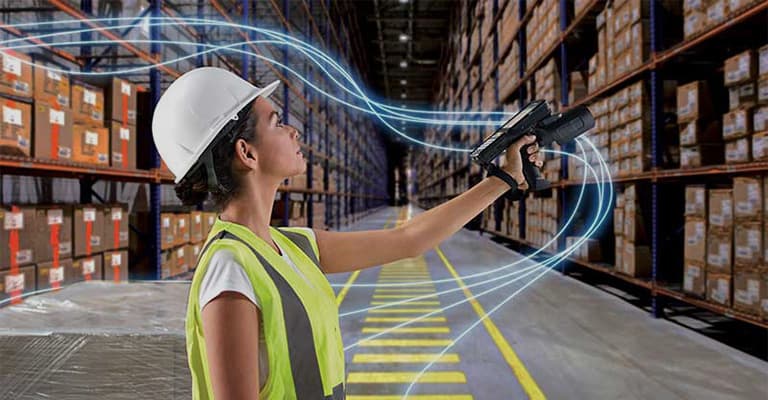
W ciągu ostatniej dekady branża magazynowa przeszła falę automatyzacji. Od systemów przenośników i urządzeń sortujących, przez wózki AGV, po powszechne wdrażanie platform WMS, wydajność operacyjna znacznie wzrosła. Jednak w praktyce wiele firm zdało sobie sprawę, że automatyzacja nie oznacza prawdziwej inteligencji ani nie zmniejsza złożoności zarządzania. Sprzęt może działać, ale nadal wymaga nadzoru ze strony człowieka; systemy mogą wykonywać zadania, a mimo to wyjątki i błędy wciąż występują. Ten stan „półautomatyczności, półautomatyczności” odzwierciedla rzeczywistość wielu dzisiejszych magazynów.
Sednem problemu jest brak widoczności w czasie rzeczywistym. W tradycyjnych systemach większość danych opiera się na ręcznym skanowaniu lub wprowadzaniu danych. Kody kreskowe wymagają bezpośredniego i indywidualnego skanowania, co sprawia, że często dochodzi do pominięć lub błędnych skanów. W środowiskach o dużej częstotliwości ruchu przychodzącego i wychodzącego błędy te kumulują się z czasem, prowadząc ostatecznie do rozbieżności między stanem magazynowym a stanem magazynowym. Tymczasem rzeczywista lokalizacja, ruch i status towarów często nie są rejestrowane w czasie rzeczywistym, co zmusza systemy do polegania na opóźnionych aktualizacjach lub weryfikacji po zdarzeniu. W rezultacie wiele problemów jest wykrywanych dopiero po ich wystąpieniu, zamiast być zapobieganych w trakcie realizacji.
Wprowadzenie technologii RFID radykalnie zmienia tę sytuację. W przeciwieństwie do kodów kreskowych, RFID nie wymaga wizualnego dopasowania i umożliwia identyfikację partii towaru na dużą odległość. Gdy każda paleta, kontener, a nawet pojedynczy przedmiot zostanie wyposażony w unikalny znacznik RFID, każdy obiekt fizyczny zyskuje cyfrową tożsamość, którą można automatycznie rozpoznać. Dzięki wdrożeniu stacjonarnych czytników, systemów bramowych i urządzeń przenośnych w kluczowych punktach kontrolnych, magazyny mogą rejestrować dane w trakcie transportu towarów, eliminując konieczność ręcznego wprowadzania danych. Ta zmiana jest kluczowa: dane nie są już rejestrowane przez ludzi – są generowane automatycznie.
Ta możliwość jest szczególnie widoczna w przypadku operacji przychodzących. Tradycyjnie, proces przyjmowania towaru obejmuje ręczne skanowanie, weryfikację zamówień i wprowadzanie danych do systemu, co jest czasochłonne i podatne na błędy. Dzięki technologii RFID, czytniki bramowe zainstalowane na rampach odbiorczych mogą automatycznie identyfikować całe palety lub ładunki ciężarowe podczas ich przejazdu. System natychmiast weryfikuje przesyłkę i kończy proces odbioru, pozostawiając operatorom jedynie wyjątki. To znacznie zwiększa wydajność i jednocześnie dokładność.
RFID odgrywa również kluczową rolę w procesie składowania. W praktyce nieprawidłowe rozmieszczenie towarów jest głównym źródłem niedokładności inwentaryzacji, często wykrywanym dopiero podczas kompletacji lub inwentaryzacji. Poprzez przypisywanie identyfikatorów do lokalizacji magazynowych i wykorzystanie urządzeń z obsługą RFID, system może automatycznie weryfikować, czy towary są umieszczane we właściwej lokalizacji w momencie odkładania. Każda niezgodność uruchamia natychmiastowy alert, zapobiegając wprowadzaniu błędów do systemu inwentaryzacyjnego. Taka kontrola procesu w czasie rzeczywistym jest znacznie skuteczniejsza niż korekta po zdarzeniu.
W codziennej działalności, inwentaryzacja od dawna stanowi wyzwanie. Tradycyjna inwentaryzacja wymaga wstrzymania operacji i zaangażowania znacznej liczby pracowników, często z niedoskonałymi rezultatami. Technologia RFID umożliwia dynamiczne inwentaryzację za pomocą urządzeń przenośnych lub czytników mobilnych, umożliwiając ciągłe gromadzenie danych w trakcie normalnej pracy. Umożliwia to przeprowadzanie kontroli inwentaryzacji rotacyjnej lub strefowej bez przerywania pracy. W rezultacie dane inwentaryzacyjne są stale aktualizowane, co zmniejsza potrzebę przeprowadzania okresowych inwentaryzacji na dużą skalę.
W operacjach wychodzących technologia RFID dodatkowo zwiększa dokładność. Po zapakowaniu towary przechodzą przez bramkę weryfikacyjną RFID, gdzie system automatycznie porównuje fizyczne elementy z danymi zamówienia. Wszelkie rozbieżności, takie jak nieprawidłowe lub brakujące elementy, są natychmiast wykrywane i przechwytywane. Ten zautomatyzowany mechanizm walidacji znacznie ogranicza błędy ludzkie i ryzyko kosztownych zwrotów lub reklamacji klientów.
Ogólnie rzecz biorąc, wartość technologii RFID wykracza poza wzrost wydajności – tworzy ona fundament pod śledzenie magazynu w czasie rzeczywistym. Dopiero gdy system może precyzyjnie określić status i lokalizację towarów, możliwe jest przeprowadzanie analiz wyższego poziomu i podejmowanie decyzji. Na tej warstwie danych, integracja z systemami WMS, WCS i inteligentnymi algorytmami umożliwia zaawansowane funkcje, takie jak optymalizacja tras, prognozowanie popytu i harmonogramowanie zadań. W połączeniu z wózkami AGV i innymi urządzeniami automatyki, magazyn może wreszcie stworzyć zamknięty system percepcji, podejmowania decyzji i działania.
Należy pamiętać, że wdrożenie RFID nie jest tak proste, jak instalacja sprzętu. W rzeczywistych zastosowaniach firmy muszą starannie rozważyć koszty tagów, poziomy tagowania (przedmiot, opakowanie lub paleta) oraz czynniki środowiskowe. Na przykład, powierzchnie metalowe i płyny mogą zakłócać sygnały RFID, co wymaga stosowania specjalistycznych tagów i zoptymalizowanej konfiguracji anten. Ponadto systemy RFID muszą być w pełni zintegrowane z istniejącymi platformami WMS lub ERP, aby zapewnić, że zebrane dane będą użyteczne, a nie staną się kolejnym, odizolowanym źródłem danych.
Z doświadczeń branżowych wynika, że wiele firm dążących do stworzenia magazynów bezobsługowych lub działających w trybie „light-out” w końcu zdaje sobie sprawę, że prawdziwym wyzwaniem nie jest eliminacja pracy ludzkiej, ale minimalizacja błędów. Bez niezawodnych danych i kontroli procesów nawet wysoce zautomatyzowane systemy nie mogą osiągnąć stabilnego działania. Technologia RFID odgrywa fundamentalną rolę w redukcji tych błędów. Wraz ze wzrostem dokładności danych i lepszą kontrolą procesów, ingerencja człowieka może być stopniowo ograniczana, co pozwala systemowi zbliżyć się do pełnej autonomii.
Ewolucja magazynowania staje się coraz bardziej oczywista: od operacji manualnych, przez automatyzację, następnie cyfryzację opartą na danych, aż do autonomicznych systemów zdolnych do samodzielnego podejmowania decyzji. W tej podróży RFID może nie być najbardziej widoczną technologią, ale stanowi niezbędny fundament. Pozwala magazynom wyjść poza zależne od człowieka wprowadzanie danych i przejść na percepcję w czasie rzeczywistym. I to właśnie ta możliwość wyznacza kluczowy krok od automatyzacji do autonomii.

Szczegółowe informacje i plik PDF

Kontakt mailowy z pomocą techniczną.

Profesjonalne doradztwo techniczne.

Kontakt mailowy z pomocą techniczną.



POŁĄCZYĆ

Youtube

zostaw wiadomość
Skanuj do Wechat/WhatsApp :



 IPv6 OBSŁUGIWANA SIEĆ